
In an era where resilience is as valuable as productivity, strengthening your immune system is no longer a seasonal concern-it’s a daily discipline. For busy professionals navigating demanding schedules, the real question isn’t whether to support immunity, but how to do it efficiently and effectively using evidence-informed strategies.
This guide moves beyond general advice. It outlines targeted herbs and essential vitamins that can contribute to an immune system boost, alongside practical implementation strategies grounded in real-world use.
Understanding Immune Support: What Actually Works
Before reaching for supplements, it’s important to understand that immune health is not a single switch-it’s a system involving gut health, micronutrient sufficiency, sleep quality, and inflammation control.
From a clinical nutrition perspective, most immune dysfunction stems from:
- Micronutrient deficiencies (especially vitamin D, zinc, and vitamin C)
- Chronic low-grade inflammation
- Poor sleep cycles and stress overload
- Lack of dietary diversity
Top 10 Herbs for Immune System Boost
1. Echinacea: First-Line Defence Support
Widely used in UK herbal medicine, echinacea is best taken at the onset of symptoms. It may reduce the duration of common colds when used early.
How to use:
- Tincture or tea for short-term use (7-10 days)
- Ideal during travel or seasonal transitions
2. Elderberry: Viral Defence Ally
Elderberry extract has shown promise in reducing flu severity and duration due to its antiviral properties.
Practical tip:
- Use a standardised syrup during winter months
- Combine with vitamin C for synergistic effect
3. Ashwagandha: Stress-Immune Connection
Chronic stress suppresses immune function. Ashwagandha, an adaptogen, supports cortisol regulation.
Best for:
- Professionals with high workload stress
- Evening supplementation to support sleep and recovery
4. Turmeric (Curcumin): Anti-Inflammatory Backbone
Inflammation weakens immune response. Curcumin, the active compound in turmeric, supports immune regulation.
Implementation:
- Combine with black pepper (piperine) for absorption
- Add to meals or take in capsule form
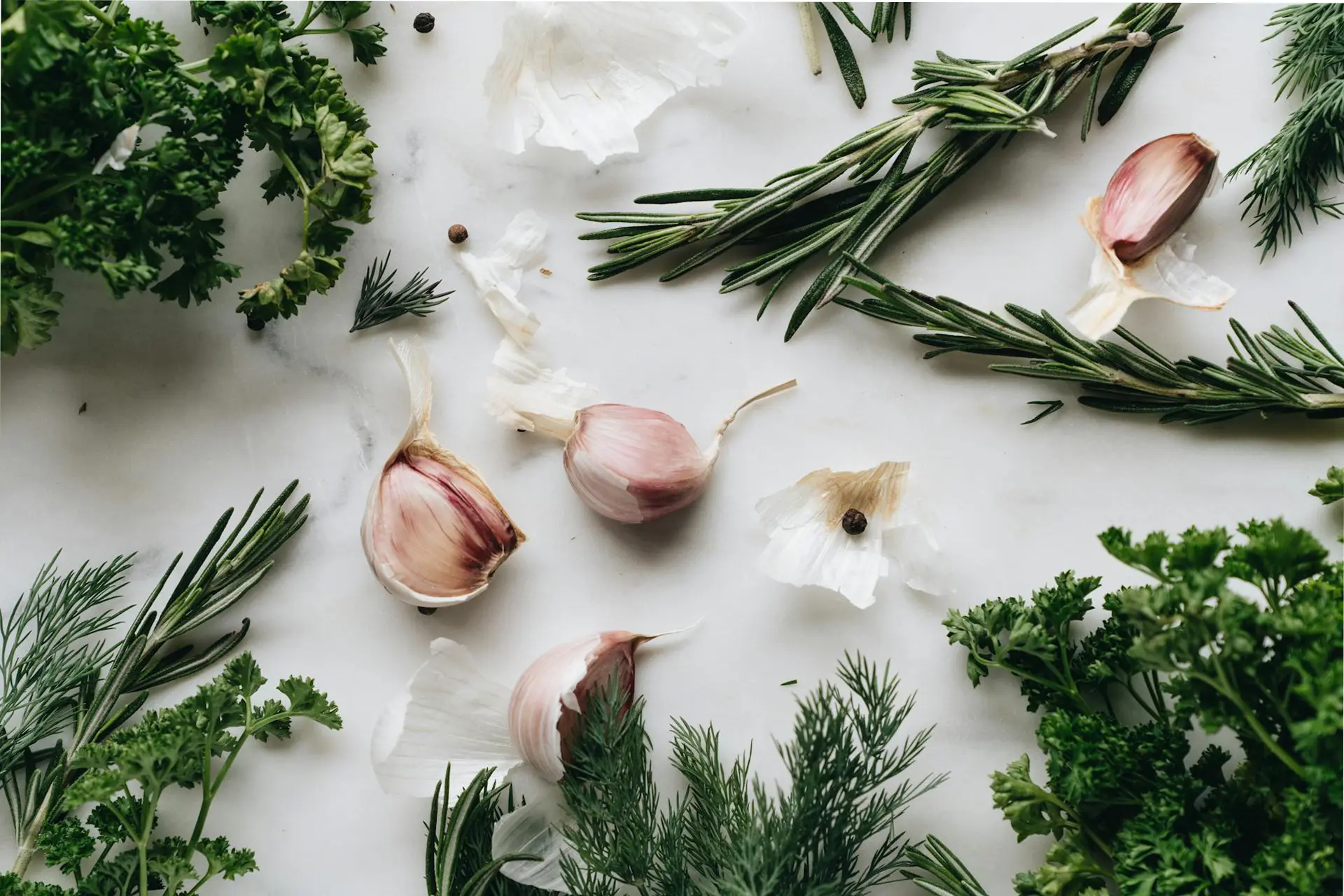
5. Garlic: Everyday Antimicrobial Support
Raw garlic contains allicin, a compound with antimicrobial properties.
Real-world application:
- Add crushed garlic to meals daily
- Use raw (after resting 10 minutes post-crush) for maximum potency
6. Ginger: Gut and Immune Synergy
Since gut health is central to immunity, ginger helps reduce inflammation and supports digestion.
Daily ritual:
- Morning ginger tea with lemon
- Useful during cold and flu season
7. Astragalus Root: Long-Term Immune Strengthening
Traditionally used for prevention rather than treatment, astragalus enhances immune resilience over time.
Use case:
- Add to soups or broths
- Ideal for long-term immune conditioning
8. Holy Basil (Tulsi): Adaptogenic Immunity
Tulsi supports both immune function and respiratory health.
Best practice:
- Herbal tea twice daily during high-stress periods
9. Liquorice Root: Respiratory Support
Useful for soothing the throat and supporting respiratory immunity.
Caution:
- Avoid prolonged use if you have high blood pressure
10. Reishi Mushroom: Immune Modulation
Reishi is known for its ability to regulate immune responses rather than overstimulate them.
Practical use:
- Powder in evening drinks
- Supports sleep and recovery simultaneously
Essential Vitamins for Immune System Function
While herbs support regulation, vitamins provide the foundational building blocks.
Vitamin D: The Non-Negotiable
In the UK, low sunlight exposure makes vitamin D deficiency common.
Recommendation:
- 1000-2000 IU daily (consult GP for testing)
- Especially critical in autumn and winter
Vitamin C: Cellular Protection
Supports white blood cell function and acts as an antioxidant.
Best sources:
- Citrus fruits, bell peppers, berries
- Supplement during high stress or illness
Zinc: Immune Cell Activation
Zinc plays a role in immune cell communication and response.
Practical tip:
- Short-term supplementation during illness
- Avoid excessive long-term intake
Vitamin A: Barrier Defence
Supports skin and mucosal barriers-the first line of defence.
Sources:
- Carrots, sweet potatoes, leafy greens
Vitamin E: Anti-Inflammatory Support
Helps reduce oxidative stress, supporting immune balance.
How to Increase Immunity: A Practical Daily Framework
For most professionals, the challenge isn’t knowledge-it’s consistency. Here’s a structured approach:Morning Routine (5-10 minutes)
- Warm water with ginger and lemon
- Vitamin D + zinc supplement
- Short outdoor exposure (even 10 minutes helps circadian rhythm)
Midday Strategy
- Include garlic, turmeric, and leafy greens in lunch
- Hydrate consistently (immune cells rely on fluid balance)
Evening Recovery
- Ashwagandha or reishi supplement
- Herbal tea (tulsi or ginger)
- Screen reduction 60 minutes before bed
Weekly Habits Checklist
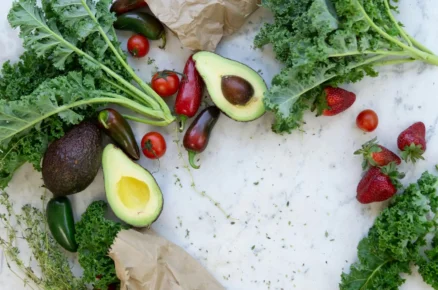
- 3-4 servings of colourful vegetables daily
- 2-3 herbal inclusions (tea, food, or supplements)
- 7-8 hours of sleep
- At least 150 minutes of moderate activity
- Minimal ultra-processed foods
A Working Professional Case
Consider a London-based marketing executive working 10-hour days with frequent travel.
Challenge:
- Frequent colds during winter
- Poor sleep and inconsistent meals
Applied strategy:
- Introduced elderberry syrup during travel periods
- Daily vitamin D and zinc supplementation
- Replaced afternoon coffee with tulsi tea
- Added turmeric and garlic to evening meals
Outcome (within 8-10 weeks):
- Reduced frequency of illness
- Improved energy stability
- Better sleep quality
This demonstrates that small, consistent interventions outperform sporadic supplementation.
What Most People Get Wrong
From a practitioner standpoint, common mistakes include:
- Taking supplements without addressing sleep and diet
- Overloading on multiple products simultaneously
- Ignoring gut health (critical for immunity)
- Using herbs only after illness begins
Correction strategy:
Focus on baseline consistency, then layer targeted interventions during high-risk periods (e.g., winter, travel, stress peaks).
Frequently Asked Questions
There is no instant solution. The most effective approach combines adequate vitamin D levels, quality sleep, and consistent intake of anti-inflammatory foods and herbs.
Vitamin D, vitamin C, and zinc are the most evidence-supported nutrients for immune system function, particularly in individuals with deficiencies.
No. Herbs support immune modulation, but vitamins provide essential nutrients required for immune cell function. Both work best together.
Some herbs (like garlic and ginger) can be used daily, while others (like echinacea) are best used short-term during illness onset.
It depends on dosage and individual health conditions. Always avoid excessive intake and consult a healthcare professional if combining multiple supplements.
Most people notice improvements in 4–8 weeks with consistent dietary and lifestyle changes.







Comments are closed.