
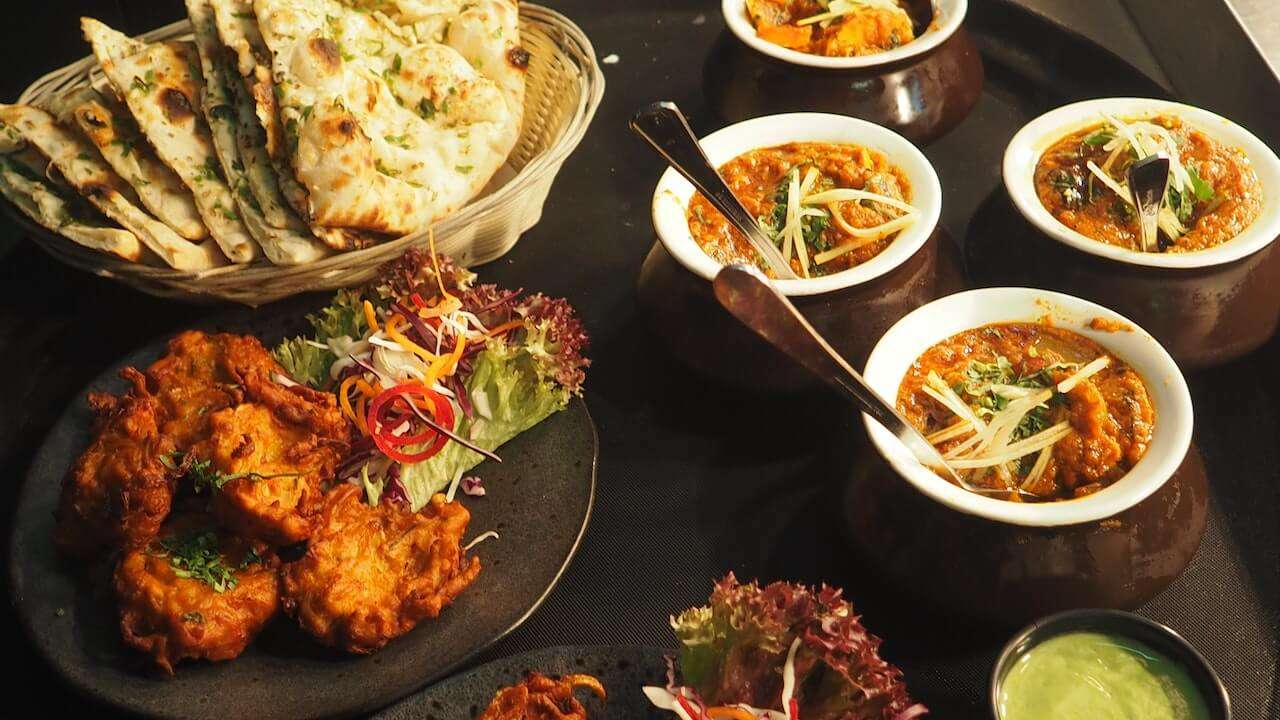
London’s Indian dining scene is no longer defined by the familiar comforts of curry houses alone. It has evolved into a constellation of culinary sanctuaries-spaces where regional heritage, ingredient integrity, and quiet luxury converge. For the discerning diner seeking the top Indian restaurants London offers, the question is no longer where to eat, but what kind of experience you wish to curate.
This guide is written for those who value precision: where to book, what to order, and how to approach Indian dining in London with intention.
Understanding What “Top Indian Restaurants London” Really Means
The phrase top Indian restaurants London is often diluted by popularity metrics-reviews, footfall, or trend cycles. In practice, the best establishments distinguish themselves through three criteria:
- Regional authenticity with modern interpretation
- Ingredient sourcing and seasonality
- Service design and dining atmosphere
For example, Gymkhana does not merely serve Indian food-it recreates the colonial Indian elite club experience with meticulous culinary execution. Similarly, Dishoom blends nostalgic Irani café culture with scalable consistency, making it both accessible and culturally rooted.
Actionable Insight:
When evaluating restaurants, prioritise menus that specify regional origin (e.g., Awadhi, Goan, Chettinad). This signals depth over generic offerings.
The Top 10 Indian Restaurants London You Should Actually Consider
Below is a curated list grounded in experiential dining, not popularity alone:
1. Gymkhana
A Michelin-starred institution known for its game meats and robust North Indian flavours.
Order: Wild muntjac biryani.
2. Trishna
A seafood-led exploration of coastal Indian cuisine.
Order: Soft-shell crab with pepper fry.
3. Dishoom
Refined comfort food inspired by Bombay cafes.
Order: Black daal and bacon naan roll (breakfast).
4. Brigadiers
A bold, grill-focused venue with a social dining format.
Order: Tandoori lamb chops.
5. Benares
Fine dining Indian with European technique integration.
Order: Venison with Kashmiri spices.
6. Tamarind
One of London’s original Michelin-starred Indian restaurants.
Order: Lobster masala.
7. Veeraswamy
Historic and regal, dating back to 1926.
Order: Anglo-Indian mulligatawny soup.
8. Kahani
Modern storytelling through Indian flavours.
Order: Rajasthani junglee maas.
9. Hoppers
Sri Lankan and South Indian fusion done exceptionally well.
Order: Egg hopper with coconut sambol.
10. Pahli Hill
Neighbourhood dining with elevated execution.
Order: Butter chicken with smoked notes.
How to Choose the Best Indian Restaurant Near You
Searching for the best Indian restaurant near me requires more than location-based results. Use this applied checklist:
Step 1: Define Your Dining Objective
- Client dinner → Fine dining (Gymkhana, Benares)
- Casual social → Dishoom, Brigadiers
- Culinary exploration → Trishna, Hoppers
Step 2: Analyse the Menu Before Booking
Look for:
- Region-specific dishes
- Seasonal menus
- House specialities (not generic curries)
Step 3: Evaluate Ambience and Noise Levels
A critical but overlooked factor for professionals:
- Quiet luxury → Tamarind, Veeraswamy
- Energetic → Brigadiers
Step 4: Check Reservation Patterns
High-quality restaurants often:
- Require advance booking (2-7 days)
- Offer limited walk-ins
Implementation Tip:
Use Google Maps filters combined with menu inspection rather than relying solely on ratings.
A Real-World Dining Scenario
Imagine you are hosting a UK-based client visiting from New York. The brief: impressive yet culturally immersive.
Execution Plan:
- Book Gymkhana for dinner (heritage + Michelin credibility)
- Pre-select dishes to avoid menu overwhelm
- Pair with Indian wines or curated cocktails
- Schedule a lighter follow-up lunch at Dishoom for contrast
Outcome:
You demonstrate cultural awareness, culinary sophistication, and planning precision-qualities that extend beyond dining into professional perception.
What Defines the Best Indian Restaurants London Offers Today
The best Indian restaurants London currently showcases share evolving characteristics:
1. Hyper-Regional Focus
Restaurants are moving away from “pan-Indian” menus towards specific geographies.
2. Ingredient Transparency
Expect clarity on sourcing-British lamb, coastal seafood, heritage spices.
3. Design-Led Dining
Spaces now reflect narrative:
- Colonial clubs (Gymkhana)
- Bombay cafés (Dishoom)
- Coastal minimalism (Trishna)
4. Beverage Innovation
Indian-inspired cocktails and curated wine pairings are no longer optional-they are integral.
Common Mistakes When Searching for Famous Indian Restaurants London
Even experienced diners make these errors:
- Relying purely on social media trends
→ Often leads to overcrowded, inconsistent experiences - Ignoring menu depth
→ Many “famous” venues offer diluted dishes - Booking without timing strategy
→ Peak hours reduce service quality
Correction Strategy:
Always cross-check menu originality, chef background, and reservation patterns.
A Quick Decision Checklist for Busy Professionals
Use this when time is limited:
- ✔ Does the menu specify a region?
- ✔ Are there signature dishes beyond standard curries?
- ✔ Is the ambience aligned with your purpose?
- ✔ Are reservations required (signal of demand)?
- ✔ Is there a curated drinks programme?
FAQ: Top Indian Restaurants London
Restaurants like Gymkhana, Trishna, and Benares consistently rank among the top due to their culinary precision, Michelin recognition, and immersive dining experiences.
Use a combination of location search, menu analysis, and reservation demand. Prioritise restaurants with regional focus and strong signature dishes.
Some are, but not all. Focus on culinary depth and execution rather than popularity alone.
Gymkhana and Tamarind offer the ideal balance of prestige, ambience, and refined service.
Its ability to blend authentic regional Indian cuisine with global fine dining standards and design-led experiences.







Comments are closed.