
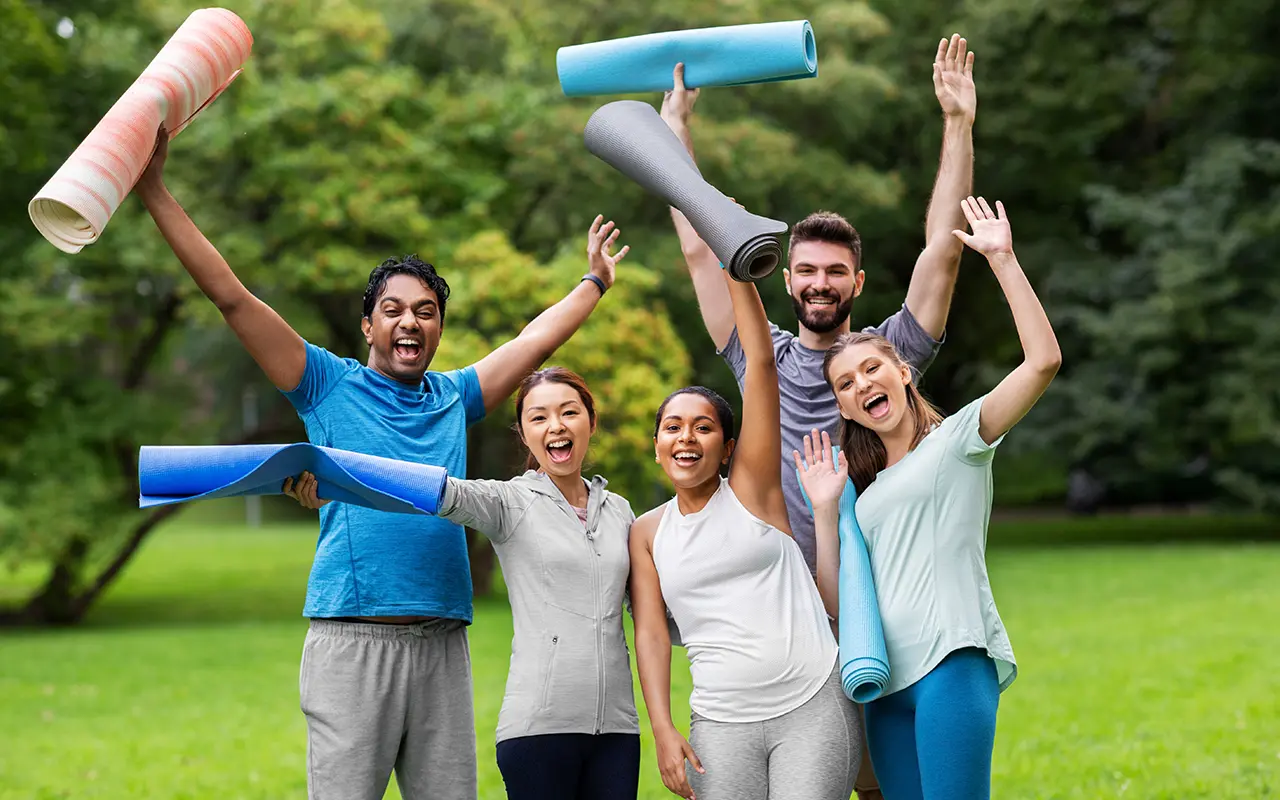
In an era where remote work, digital communication, and fragmented routines dominate modern life, the search for meaningful human connection has become more intentional. Increasingly, health professionals and behavioural scientists are recognising that group fitness classes are not merely a vehicle for physical transformation-they are a powerful catalyst for social wellbeing.
Across the UK, from London boutique studios to community leisure centres in smaller towns, structured exercise sessions are evolving into micro-communities of accountability, encouragement, and shared achievement. For busy professionals seeking both physical health and a stronger sense of belonging, this intersection of movement and connection offers a practical solution.
But the benefits go beyond casual conversation before a class begins. When designed thoughtfully, community fitness programmes can reshape behavioural habits, reinforce mental resilience, and foster lasting friendships.
Understanding how to leverage these environments effectively allows individuals to gain far more than improved cardiovascular fitness.
Why Group Fitness Classes Strengthen Social Connection
Human beings are biologically wired for cooperation. Research from behavioural health fields consistently demonstrates that shared physical challenges stimulate bonding through neurochemical responses, particularly the release of endorphins and oxytocin.
This explains why participants often report feeling unexpectedly close to people they met only weeks earlier.
Several mechanisms drive the social benefits of group fitness:
Shared goal alignment
When individuals pursue the same fitness objective-improving endurance, mastering strength techniques, or completing a challenging circuit-mutual support emerges naturally.
Structured interaction
Unlike informal social environments, fitness classes provide predictable weekly touchpoints, allowing relationships to develop gradually.
Visible progress
Watching others improve reinforces motivation while strengthening mutual respect.
Collective accountability
If a participant misses a session, someone will notice. This simple dynamic increases adherence to exercise routines.
For many professionals juggling demanding schedules, this subtle accountability becomes the difference between abandoning exercise plans and maintaining consistent habits.
The Hidden Mental Health Value of Exercising Together
While physical outcomes often dominate marketing messages, the psychological effects of group-based exercise are arguably more profound.
Isolation has become a recognised contributor to anxiety and depression across developed societies. Structured group exercise offers a low-pressure environment where interaction develops organically.
Participants frequently experience:
- Reduced stress levels through shared physical exertion
- Improved mood from social encouragement
- Enhanced self-confidence through peer recognition
- Greater emotional resilience during demanding training sessions
These outcomes are particularly valuable for individuals transitioning into new life stages-relocation, career changes, or post-pandemic workplace shifts-where traditional social networks may have weakened.
Unlike social media interaction, working out with friends or familiar classmates creates authentic engagement grounded in shared effort.
The result is a sense of belonging rarely replicated in solitary gym sessions.
How Community Fitness Programmes Transform Local Connections
Consider the experience of a mid-sized leisure centre in Manchester that launched a structured community fitness programme aimed at professionals aged 30 to 50.
The programme included:
- Three weekly group fitness classes
- Rotating instructors specialising in strength, mobility, and conditioning
- A post-session coffee meet-up space
- A private online group for scheduling and encouragement
Within six months, retention rates increased dramatically compared with traditional gym memberships.
Participants reported three consistent outcomes:
- Improved exercise adherence because missing sessions meant losing social momentum
- Friendships forming beyond the gym, including weekend hikes and running clubs
- Increased motivation driven by group progress
One participant, a solicitor working long hours in the city centre, explained that joining the programme changed her relationship with exercise.
Instead of viewing workouts as a solitary obligation, she described them as “the most reliable social event of my week.”
This transformation illustrates the broader impact of intentionally designed group fitness classes.
Choosing the Right Type of Group Fitness Environment
Not all group exercise settings foster meaningful social connection. The structure, instructor style, and participant mix significantly influence the experience.
Busy professionals should evaluate several factors before committing.
Instructor engagement style
The most effective trainers facilitate interaction between participants rather than focusing solely on instruction.
Class size
Smaller sessions-typically 10 to 20 participants-allow relationships to develop naturally.
Programme continuity
Weekly programmes with consistent participants encourage stronger social dynamics than drop-in sessions.
Shared demographic interests
Classes aimed at similar age groups or fitness goals often produce faster bonding.
Popular formats that naturally encourage interaction include:
- Circuit training programmes
- Cross-training communities
- Outdoor boot camps
- Partner-based strength sessions
- Functional fitness clubs
Many UK leisure centres and boutique studios now design classes specifically around community-oriented training structures rather than anonymous participation.
Steps to Maximise the Social Benefits of Group Fitness
Joining a class is only the first step. To truly benefit from the social aspects of group exercise, participants should take a proactive approach.
Step 1: Attend consistently
Social familiarity develops through repetition. Commit to the same time slot each week whenever possible.
Step 2: Introduce yourself early
Simple introductions before or after sessions dramatically accelerate connection.
Step 3: Participate in partner exercises
When instructors organise paired drills or small team challenges, embrace the opportunity rather than opting out.
Step 4: Engage in post-class interaction
Even five minutes of conversation after training helps transform acquaintances into genuine connections.
Step 5: Suggest shared activities
Running events, charity fitness challenges, or weekend park workouts often grow organically from group classes.
These small actions transform group fitness classes from transactional exercise sessions into genuine communities.
Checklist for Evaluating Community Fitness Programmes
For professionals seeking the strongest combination of social and physical benefits, use this evaluation checklist when selecting a programme:
Programme Structure
- Scheduled recurring classes rather than random sessions
- Clear progression or training themes
Instructor Approach
- Encourages interaction among participants
- Uses partner or team-based exercises
Community Design
- Opportunities for conversation before or after sessions
- Optional social channels or messaging groups
Participant Consistency
- Regular attendees rather than constantly changing groups
Environment
- Supportive, welcoming atmosphere regardless of fitness level
Many successful UK studios and leisure centres now design their offerings around these principles.
Long-Term Lifestyle Benefits of Working Out with Friends
When exercise becomes social, adherence rates improve dramatically. This shift carries long-term benefits extending far beyond fitness metrics.
Individuals engaged in working out with friends often report:
- Sustained motivation during demanding periods
- Higher likelihood of maintaining training routines over years
- Improved emotional wellbeing
- Expanded social networks
For professionals managing demanding careers, this structure can replace the informal community spaces that once existed through workplaces or neighbourhood networks.
In many cases, group fitness classes become a cornerstone of weekly life, combining health, routine, and connection in a single environment.
Building a Sustainable Fitness Community Around You
For readers unable to find the ideal class environment immediately, it is possible to cultivate a small training community independently.
Practical options include:
- Starting a weekly park-based fitness group
- Organising lunchtime workouts with colleagues
- Creating a shared accountability group for scheduled classes
- Joining charity fitness events that encourage team participation
The key principle remains consistent: shared effort strengthens human bonds.
Once individuals experience the social reinforcement of community fitness, returning to solitary exercise often feels less rewarding.
FAQ: Group Fitness and Social Wellbeing
Yes. Research and behavioural evidence consistently show that participants maintain higher adherence when exercising alongside others due to accountability and shared goals.
Participants often experience stronger friendships, increased emotional support, and improved mental wellbeing. These environments naturally encourage interaction and mutual encouragement.
Arriving early, introducing yourself to the instructor, and attending the same session weekly helps newcomers integrate quickly into the group dynamic.
Absolutely. Scheduled sessions create reliable routines and remove the decision fatigue associated with planning workouts independently.
For many people, yes. Social accountability increases consistency, while friendly competition can improve effort levels and long-term commitment.
Arriving early, introducing yourself to the instructor, and attending the same session weekly helps newcomers integrate quickly into the group dynamic.